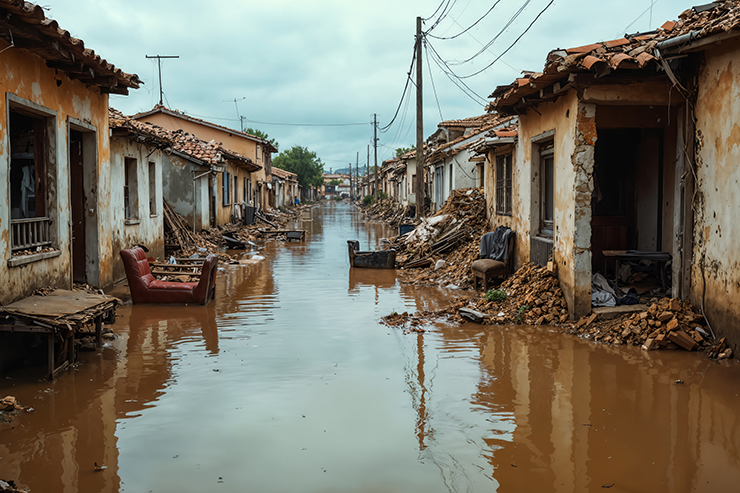
Events such as prolonged droughts, floods, extreme heat waves and wildfires illustrate the intensifying climate crisis, whose economic impacts have been worsening globally and in Brazil. In this scenario, the credit recovery market also feels the effects. default tends to increase, and the Collection strategies need to adapt to a reality marked by recurring and unpredictable crises.
Impact of crises and natural disasters
You natural disasters cause destruction infrastructure disruptions, losses in agricultural production, business interruptions, and population displacement. In many cases, communities are isolated or face supply shortages.
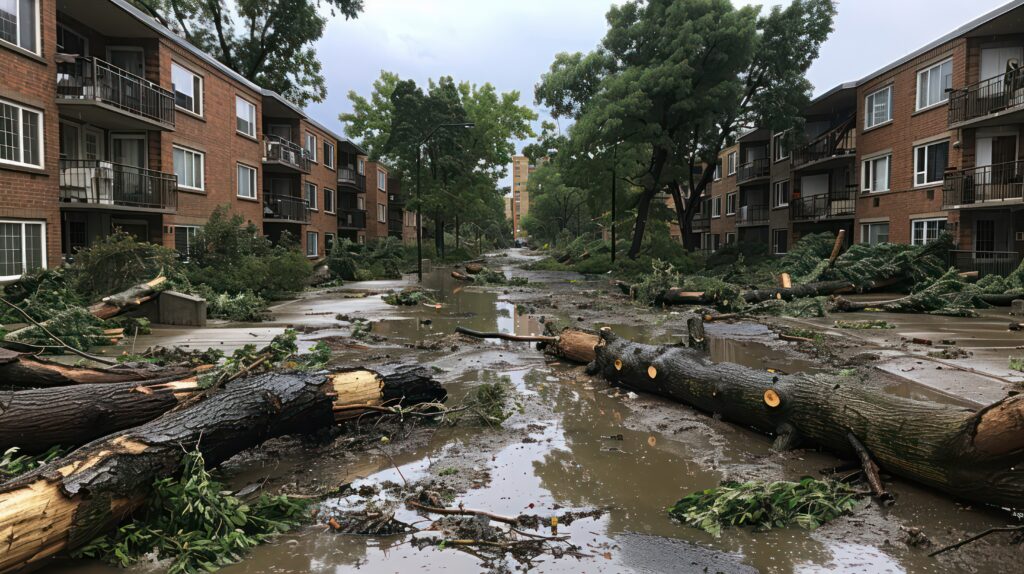


How they affect the economy
Extreme weather events cause disruptions in production chains, affect the supply of products and reduce consumption. This leads to a slowdown in strategic sectors of the economy, compromising indicators such as GDP, inflation, and job creation.
Credit recovery in times of crisis
With the loss of income and losses caused by extreme events, the difficulty of maintaining financial commitments grows. THE default increases and requires new approaches by the credit recovery sector. Charge responsibly can mean supporting the financial reorganization of those affected.


Current scenario of natural crises
In recent years, the Brazil has faced serious episodes climate-related. The drought in the North region in 2023, the floods in Rio Grande do Sul in 2024, and the landslides in the Southeast show that the impacts are already underway. These events cause significant human and economic losses, paralyze logistics chains and leave lasting marks in the affected regions.
Future trends for the economy
You climate risks should be considered in credit analyses and financial decisions. Institutions are already discussing ways to include this factor, especially in rural, real estate, and business financing.
For the recovery sector, this represents a path of transformation. Investing in geographic data, regional solutions, and more flexible processes can make performance more strategic and efficient in the face of future crises.

Sources: World Bank, Brazilian Journal of Climatology, GIZ